

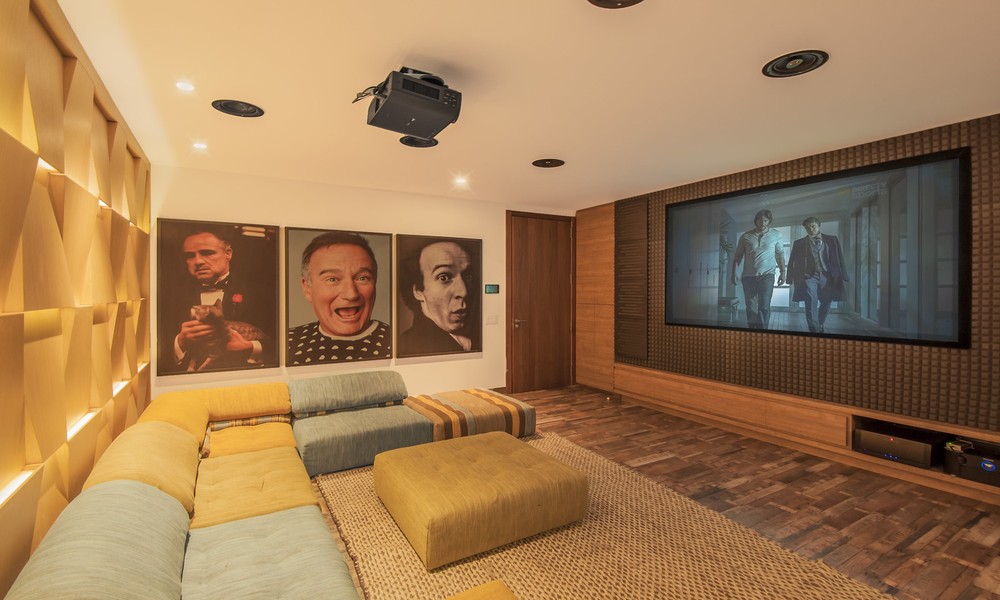

Choosing sound panels sounds simple at first. You just pick a design you like, install it, and expect the room to sound better.
But once you actually start matching panels to real spaces, it becomes clear that not all rooms have the same problem, and not all panels solve the same issue.
That’s where sound absorbing panels need a bit more thought. The right choice depends less on appearance and more on what the room is actually doing with sound.
Start by listening to the room, not looking at it.
Before anything else, it helps to “listen” to the space.
Every room gives you clues:
- Does sound bounce a lot when people talk?
- Do conversations feel unclear or layered?
- Does the room feel louder than expected?
These are not design issues. They’re acoustic ones.
Once you identify how sound behaves, it becomes easier to choose the right type of treatment.
That’s also where acoustic sound panels come into the picture. They’re solutions for controlling how sound moves and lingers in a space.
If the room feels echoey, go for higher absorption.
Echo is usually the first complaint people notice.
It shows up as:
- Voices that seem to “bounce” after speaking
- A slight ringing effect in empty spaces
- Words that don’t feel crisp or clear
In this case, you want panels that focus on absorption rather than decoration alone.
Thicker or more porous materials tend to work better because they trap more sound energy instead of reflecting it back into the room.
The goal here isn’t to change the look of the space. It’s to reduce how long sound sticks around.
If conversations feel messy, focus on placement first.
Sometimes the problem isn’t the panel itself, but where it goes.
In rooms where conversations feel hard to follow, sound is usually bouncing between:
- Opposing walls
- Large flat surfaces
- Open areas without interruption
In this situation, even standard sound panels can work well if they’re placed correctly.
Positioning them at reflection points helps break up sound paths, making conversations feel more natural and less cluttered.
It’s less about covering every surface and more about targeting the right ones.
If the room is open, think about sound travel.
Open spaces behave differently from enclosed rooms.
Sound doesn’t just stay in one place. It spreads.
You might notice:
- Conversations carrying across the room
- Background noise blending into everything
- A lack of clear separation between zones
In these cases, acoustic sound panels help control how far sound travels, even if they don’t fully contain it. They’re especially useful when you want to create subtle boundaries without building physical walls.
If it’s a working space, clarity matters most.
In offices or study areas, clarity is usually more important than anything else.
You don’t just want reduced noise-you want:
- Clear speech
- Less distraction
- Easier focus during conversations or calls
Here, panel selection should prioritize mid-range sound absorption since that’s where speech sits.
The right panels make the space feel less tiring to use over long periods, even if you don’t immediately notice the change.
If it’s a home, comfort comes first.
At home, the approach is a bit different.
You’re not trying to control constant activity like in an office. Instead, it’s about comfort.
Common issues include:
- TV sound bouncing too much
- Living rooms feeling slightly echoey
- Spaces feeling louder than they should be at normal volume
In these cases, lighter or decorative sound panels can be enough to soften reflections without making the space feel overly treated.
The goal is subtle improvement, not full acoustic control.
Don’t forget the room itself matters.
Even the best panels won’t behave the same in every environment.
Things that change performance include:
- Room size
- Ceiling height
- Flooring type
- Furniture and soft furnishings already present
A heavily furnished room might need fewer panels. A bare, modern space might need more coverage.
So it’s not just about choosing the panel-it’s about understanding what the room already contributes.
Too much treatment can also change the feel.
Something people don’t always expect is that over-treating a room can make it feel unnatural.
If a space absorbs too much sound, it can feel:
- Flat
- Overly quiet
- Slightly “dead” acoustically
That’s why balance matters.
Good acoustic design doesn’t remove all sound. It just controls it so the room still feels alive, but not overwhelming.
Final Thoughts
Picking the right sound panels isn’t really about choosing the “best” product. It’s about matching the solution to the problem.
Once you understand how sound behaves in your room, the decision becomes much easier.
In the end, acoustic sound panels work best when they’re:
- Placed with purpose
- Matched to the room’s function
- Balanced with the existing environment
And when that balance is right, the difference is not just in how the room sounds-but in how comfortable it feels to actually spend time in it.

