


Open-concept living has become a design favourite for good reason—it’s airy, sociable, and makes even smaller homes feel bigger. But for all its charm, there’s one big downside: noise.
With fewer walls to block and absorb sound, open-plan homes often struggle with echoes, overlapping conversations, clattering dishes, and a general lack of acoustic privacy. If you’ve ever tried to take a work call while someone’s making tea ten feet away, you’ll know what we mean.
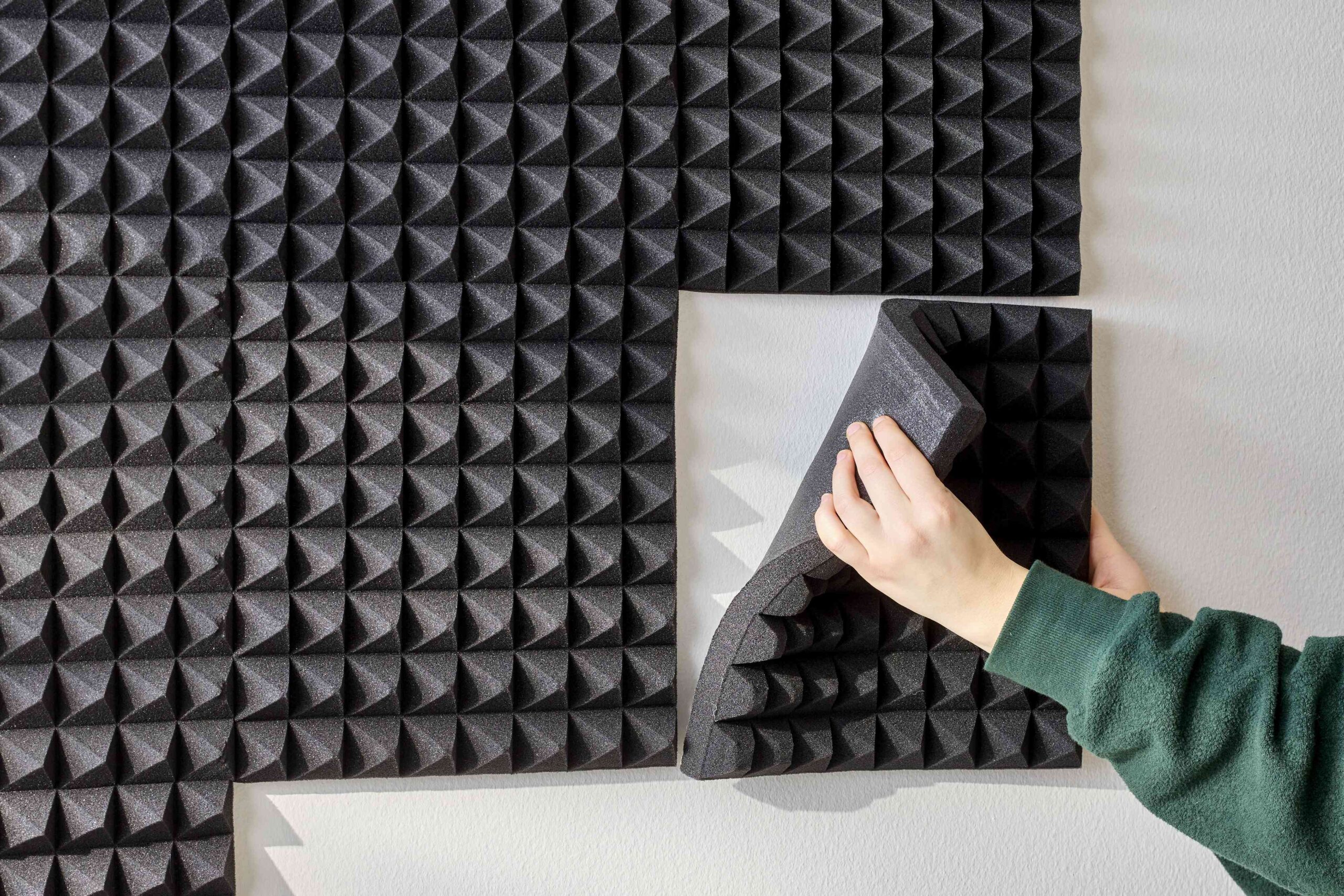
That’s where sound dampening panels come in. Thoughtfully placed, they can help transform a noisy, chaotic space into one that’s calm, clear, and still feels beautifully open.
Here’s how to use them effectively without compromising on style.
1. Understand How Sound Travels in Open Spaces
In a traditional layout, doors and walls help trap and absorb sound. In an open-concept space, however, noise has free rein. It bounces off hard surfaces—floors, walls, ceilings, glass—creating reverberation. This makes even simple sounds feel amplified and overwhelming.
The acoustic treatment panels don’t block noise (that’s soundproofing), but they do soften it by reducing echo and dampening reflections. The result is a quieter, more comfortable environment where voices are clearer and background noise doesn’t dominate.
2. Identify Your Trouble Zones First
Not every part of an open-plan home needs treatment. Focus on the noisiest areas or the spots where sound lingers.
Common hot spots include:
- The kitchen island or dining area, where hard surfaces multiply sound
- The living room, especially with high ceilings or minimal furniture
- Work-from-home corners, where focus and call clarity matter
- Long corridors or entryways, where noise often bounces and builds
Tip: Clap your hands in different areas. If you hear a sharp echo, that’s a good candidate for panel placement.
3. Use Panels as Part of Your Interior Design
Forget those grey foam blocks of the past—modern acoustic panels are sleek, stylish, and come in a range of finishes.
Try:
- Wooden slat panels for Scandi, Japandi, or modern rustic looks
- Coloured felt panels for a soft, fabric-like texture—great in creative or eclectic homes
- Geometric or patterned panels that double as wall art
- Fabric-wrapped panels that blend into neutral or minimalist schemes
You can mount them like artwork, create feature walls, or even wrap an entire section of a wall behind your TV or sofa.
4. Don’t Forget the Ceiling (Seriously)
In open-plan homes, the ceiling is one of the most underused spaces for noise control. High ceilings, in particular, can create an echo chamber effect.
Installing ceiling-mounted panels or acoustic clouds can reduce overhead noise and improve overall sound balance without compromising your floor space or aesthetic.
They’re especially useful in:
- Living rooms with large windows or hard flooring
- Kitchens where sound bounces off cabinetry and counters
- Home offices situated under lofted or double-height ceilings
Bonus: Some ceiling panels come with integrated lighting, giving you a two-in-one design solution.
5. Add Function to Form with Multipurpose Panels
Short on wall space? Choose acoustic solutions that do more than one job.
For example:
- Acoustic pinboards in the home office or kids’ study areas
- Decorative wall dividers that absorb sound and subtly define zones
- Headboards made of sound-absorbing material in the bedroom or guest nook
- Modular wall panels you can rearrange as your needs change
This way, you’re not just treating sound—you’re adding value to the space.
6. Mix and Layer with Other Soft Materials
Sound absorbing panels work best when paired with other soft, textured surfaces. Think of it as building an acoustic ecosystem.
Combine your panels with:
- Rugs or carpets to absorb sound underfoot
- Curtains or fabric blinds to soften the echo near windows
- Upholstered furniture with deep cushions
- Bookshelves and plants, which break up sound waves naturally
Together, these elements create a warmer, quieter atmosphere that makes your space feel inviting rather than cavernous.
7. Start Small—Then Add As Needed
You don’t need to cover every surface to get results. Even a few panels in the right spot can make a noticeable difference. Begin with the most problematic area and expand from there if needed.
Many homeowners start by panelling:
- A small section behind the sofa or TV
- The wall behind their workstation
- The dining area wall that faces the kitchen
Once installed, you’ll often notice the room feels calmer, and your ears will thank you.
Final Thoughts: Quiet Living Without Compromise
Open-concept homes offer flexibility and flow, but they can also be a nightmare for acoustics if left untreated. The good news? With today’s sound absorbing panels, you can enjoy quieter, more comfortable spaces without sacrificing your home’s modern, open aesthetic.
It’s not about hiding away in silence—it’s about creating a space where conversations can be heard clearly, where your voice doesn’t bounce off every wall, and where you can focus without background noise creeping in.
And yes, you can have all that—and still love the way your home looks.

