

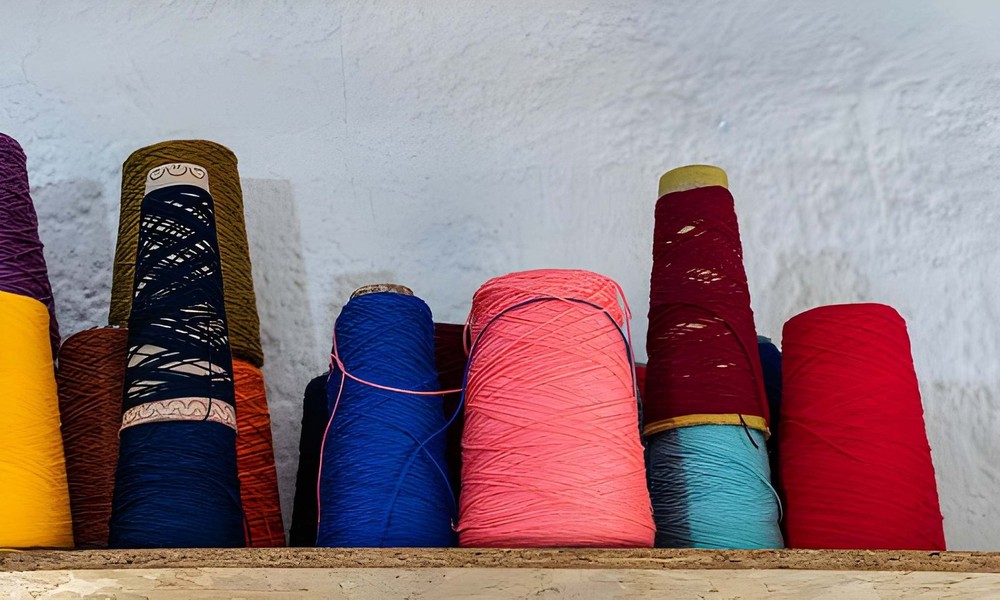

Some materials follow trends. Others quietly change habits. Recycled yarn is doing the second and it’s happening faster than most people realize.
In 2026, the textile world isn’t just about creating something new. It’s about rethinking what already exists. Recycled yarn reflects that shift. It turns waste into function, and function into everyday comfort. No noise, no hype just a smarter way forward.
Not Just Recycling Rebuilding Value
Recycled yarn isn’t simply about reusing old materials. It’s about rebuilding them into something useful again.
It starts with things we usually throw away used clothing, leftover fabric, plastic bottles and transforms them into fresh, workable fibers. Those fibers are then spun into yarn that can be used just like any other.
But here’s what makes it interesting: the result doesn’t feel like “waste.” It feels like a normal, reliable material that fits right into modern life.
That’s the real shift. Waste is no longer the end it’s part of the beginning.
Why It Fits Today’s World
People expect more from what they buy now. Not just style or price but purpose too. Recycled yarn fits into this mindset naturally because it offers something balanced:
- It reduces unnecessary waste
- It avoids overusing raw resources
- It performs well in everyday use
- It supports long-term value
- It adapts across different products
It doesn’t ask people to compromise. It simply gives them a better option.
Where You Actually Notice It
Most people won’t walk into a store looking for recycled yarn specifically. But they will notice what it does.
- Clothes that feel light but hold their shape
- Bags that are strong without being heavy
- Home fabrics that last through regular use
- Sportswear that dries quickly and feels breathable
These are small, practical benefits but they’re the ones people care about.
Recycled yarn works quietly behind the scenes, improving everyday experiences without drawing attention to itself.
Fashion Has Found Its Balance
There was a time when recycled textiles felt limited rough textures, dull finishes, fewer options. That’s no longer the case.
Today, recycled yarn is part of modern fashion in a much more natural way:
- Clean, minimal everyday wear
- Relaxed and breathable casual clothing
- Functional activewear
- Travel-friendly fabrics
- Seasonless wardrobe pieces
Designers are no longer “working around” recycled materials. They’re working with them because the quality now supports creativity instead of restricting it.
A Better Fit for Daily Living Spaces
Homes are full of fabrics that need to last. From sunlight exposure to repeated washing, materials go through constant use.
Recycled yarn has found a strong place here because it keeps things simple and manageable.
It’s commonly used in:
- Curtains that keep their structure
- Cushions that hold shape over time
- Upholstery that handles daily wear
- Bedding that feels comfortable but durable
- Decorative textiles that stay consistent
It’s not about luxury it’s about reliability. And that’s what most homes actually need.
Quiet Strength in Practical Applications
Beyond fashion and home use, recycled yarn continues to expand into more functional spaces.
It appears in:
- Backpacks and travel gear
- Utility fabrics
- Outdoor products
- Automotive interiors
- Packaging materials
The reason is simple it offers strength without unnecessary weight, and consistency without complexity.
For products that need to perform again and again, that balance matters.
The Shift Toward Smarter Sustainability
Sustainability is no longer just about labels it’s about decisions. People are starting to look at how long something lasts, how it’s made, and what happens after it’s used.
Recycled yarn supports a more practical version of sustainability:
- It reduces landfill pressure
- It gives existing materials a second life
- It supports longer product cycles
- It lowers the demand for new raw inputs
- It encourages more thoughtful production
This isn’t about being perfect. It’s about being better step by step.
Why It Works for Manufacturers Too
From a production perspective, recycled yarn brings stability. And in manufacturing, stability matters.
It offers:
- Consistent material quality
- Scalable production use
- Adaptability across product lines
- Competitive cost balance
- Reliable end results
That’s why more manufacturers are integrating it into their processes not just for sustainability, but for practicality.
What’s Changing Next
Recycled yarn is still evolving, and the next phase is focused on refinement rather than reinvention.
We’re starting to see:
The goal isn’t just to reuse materials it’s to make them better than before.
Final Thoughts
Recycled yarn doesn’t try to stand out. It fits in and that’s exactly why it matters.
It supports the things people use every day, from clothing to home products to travel gear. It reduces waste without changing how products feel or function. And it brings a sense of balance to an industry that is learning to do more with less.
In 2026, that balance is what people are really looking for. Not extreme change. Not complicated solutions. Just materials that work well, last longer, and make more sense.

