

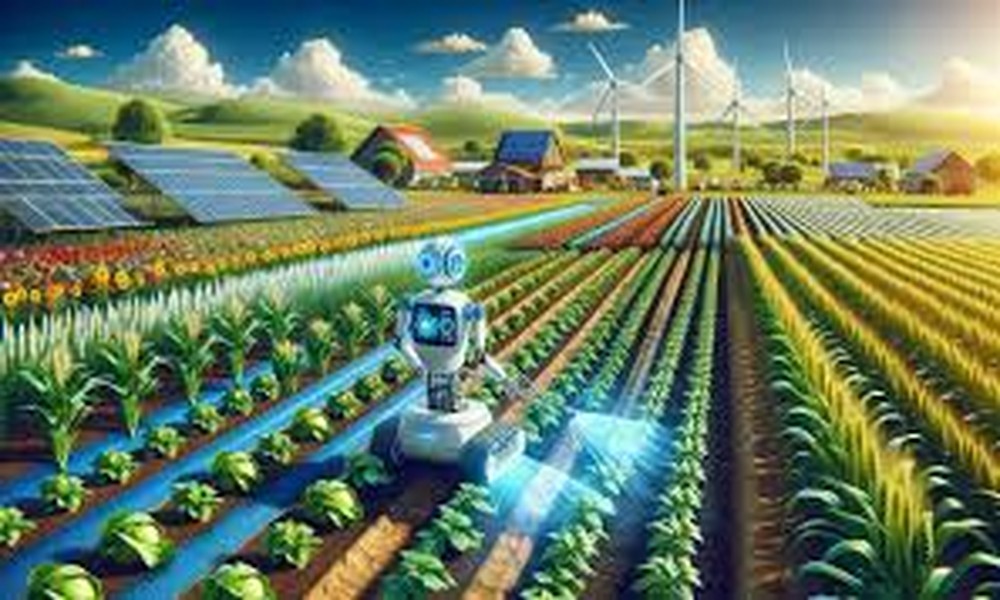

Harvesting has undergone a major transformation over the years, moving from manual labour to highly advanced, technology-driven processes. In agriculture, efficiency and timing are critical, and modern advancements have made it possible to harvest crops faster, with greater precision and less waste. These technological developments have not only increased productivity but also reduced labour dependency and improved overall crop quality. Today, harvesting is no longer just a physical task but a well-coordinated, data-driven operation. Exploring the origins of modern harvesting machinery helps highlight how innovation and mechanisation have revolutionised agricultural productivity and efficiency over time.
Introduction of Combine Harvesters
One of the most significant advancements in harvesting technology is the development of combine harvesters. These machines perform multiple functions such as cutting, threshing, and cleaning crops in a single process.
This innovation has drastically reduced the time and effort required for harvesting. Farmers can now cover large areas in a shorter period, increasing efficiency and reducing reliance on manual labour. Combine harvesters have become a standard tool in modern agriculture due to their effectiveness and reliability.
Automation and Smart Controls
Automation has revolutionised the way harvesting is carried out. Modern machines are equipped with smart controls that allow operators to manage functions with precision and ease.
Automated systems can adjust speed, cutting height, and processing settings based on field conditions. This ensures consistent performance and minimises human error. As a result, productivity improves while maintaining high-quality output.
Use of GPS and Precision Farming
The integration of GPS technology has introduced precision farming techniques into harvesting. GPS-enabled machines can follow accurate paths across fields, reducing overlap and missed areas.
This level of precision ensures that crops are harvested efficiently without unnecessary waste. It also helps in better planning and resource utilisation, making the entire process more organised and effective.
Real-Time Monitoring and Data Analysis
Modern harvesting equipment often includes sensors and monitoring systems that provide real-time data. Operators can track performance, crop yield, and machine condition during operation.
This data helps in making quick decisions and optimising the harvesting process. It also allows farmers to analyse results and improve future operations, leading to continuous improvement in productivity.
Improved Durability and Efficiency
Technological advancements have also improved the durability and efficiency of harvesting equipment. Modern machines are built with stronger materials and better designs, allowing them to operate in tough conditions.
Enhanced efficiency means lower fuel consumption and reduced operational costs. Reliable equipment ensures that harvesting is completed on time, which is crucial for maintaining crop quality.
Conclusion
Technological advancements have completely transformed the harvesting process, making it faster, more efficient, and more precise. From combine harvesters to automation, GPS integration, and real-time monitoring, each innovation has contributed to improved productivity and reduced costs. As technology continues to evolve, harvesting will become even more advanced, helping farmers meet growing demands while maintaining quality and sustainability.

