

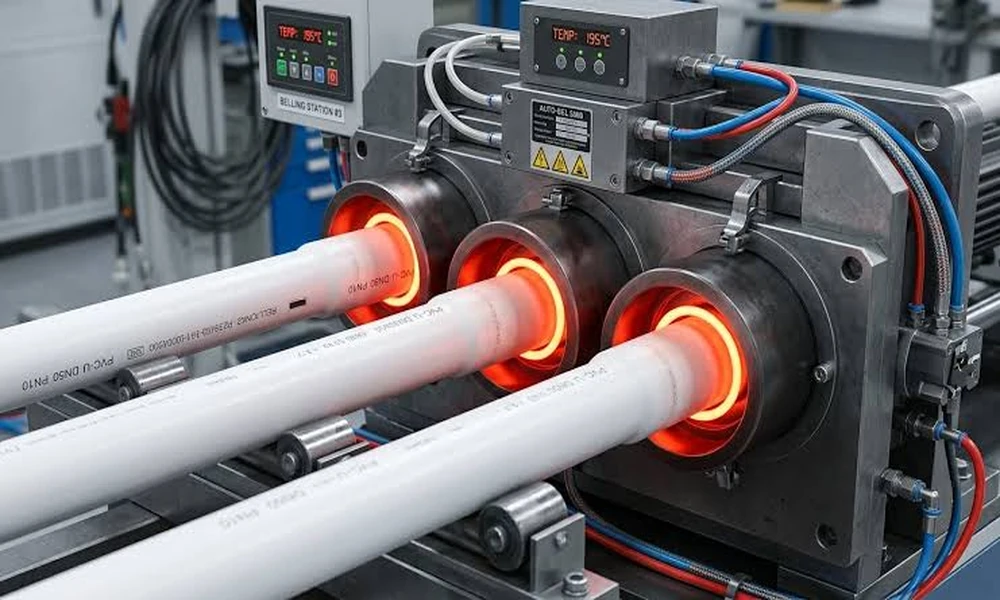

PVC sleeving is a wondrous product, a versatile component that is commonly used within a wide range of applications and industries to protect and insulate. Understanding the manufacturing process of PVC sleeving gives you a greater feel for the benefits, the applications it can be used to protect, and how best to spot a supplier with high standards. There are different types of sleeving that are beneficial for specific applications and working environments too.
What Is PVC and Why Is It Used in Protective Sleeving?
PVC (polyvinyl chloride) is a synthetic polymer that has been widely used since the middle of the 20th century within various industries and applications. It is durable and strong, yet lightweight and flexible, making it the perfect material to be used within a variety of applications in the automotive industry, electrical components, and construction, to name just a few areas. PVC sleeving provides protection and resistance to moisture, potentially hazardous chemicals and the dangers of abrasion.
What Are the Different Types of Pvc Sleeving?
There are a few different types of sleeves that utilise the beneficial properties of PVC. This includes heat shrink sleeves, non-shrink sleeves, and spiral binding sleeves. Respectively, these are designed to shrink when heat is applied, securing cables and wires, to maintain shape and size when exposed to heat, and a great way to organise bundles of wiring and cabling to make a cleaner working environment.
What Are the Raw Materials Used in Pvc Sleeve Manufacturing?
PVC resin is the main raw material that is used to manufacture PVC sleeves. This is mixed with stabilisers, lubricants, and plasticisers to form a compound. This ensures that the sleeves are flexible and soft, but also durable and made to a high quality for long-term use. There is continuous research and advancement in PVC recycling that will help to reduce the carbon footprint attached to PVC use across multiple industries in the future.
How Does the Manufacturing Process Work?
There are several processes that go into making PVC sleeves to protect a wide range of components and applications.
- First, the raw materials are mixed together, as mentioned above. This is heated and stirred until it is fully blended together.
- The mixed compound is fed into an extruder, where the hopper feeds the compound into a barrel, melted, and then mixed by the screw. This is then forced through a die to form the intended shape of the PVC sleeve.
- The next stage is for the sleeve to be cooled and solidified. This is achieved using either an air-cooling system or a water bath, before it is passed through a sizing machine to ensure the correct thickness and diameter to meet the specific standards of the batch.
- The sleeve is then cut to the length that is required for the specific order using a cutting machine that is programmed for uniform sizes per batch.
- Finally, the completed sleeves are packaged and labels are attached for the distribution process. The labelling includes specific information such as the size, colour, and the batch number.
The Importance of Quality Control
Your choice of manufacturer is crucial as a good supplier will understand the importance of quality control. Quality control should be a process that takes place at every stage of manufacturing, meeting strict quality and regulatory standards. Testing tensile strength, insulation resistance and other factors determines the integrity of the PVC sleeving in question. Once it has passed testing, PVC sleeves are used for electrical insulation, protecting wires and cables, corrosion protection, wire harnessing, and a wide range of other applications across myriad industries.
A Guide to Manufacturing Pvc Sleeving

