

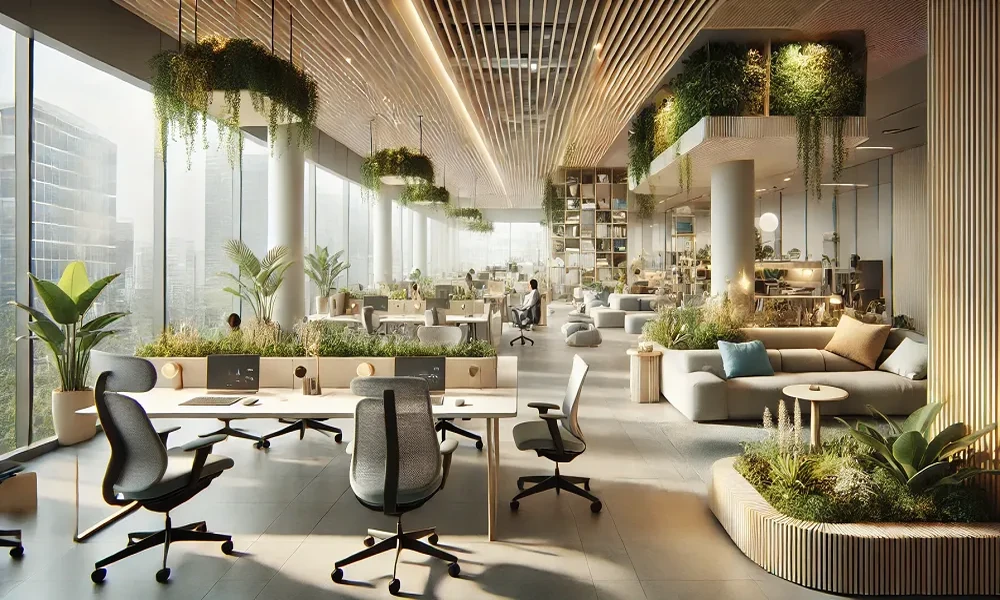

Many people don’t realise that the employee-friendly design of a workplace can have a greater impact on its employees than actually working there. Although factors are relevant to salary, management and workload are relevant, the physical environment can also impact ease of physical comfort, focus and motivation in the workday. An effective workplace can help boost productivity and make employees more comfortable and feel more connected.
A well-planned workplace design can shape how employees interact with their surroundings and approach their daily responsibilities. Factors such as layout, lighting, noise levels, accessibility, and the availability of spaces for both focused work and collaboration can influence comfort and concentration. By considering how different teams use the workplace and incorporating practical features that support their needs, organizations can create an environment that encourages productive and comfortable working experiences.
Comfort cannot be ignored when making the decision
Working people invest a large portion of their day at work, so they need to be comfortable. The need for concentration on work can be facilitated by the availability of comfortable chairs, desks appropriate to the work, good lighting and appropriate room temperature. Uncomfortable chairs, poor desk design or poor lighting can be a distraction and could make employees feel tired sooner.
Natural lighting can positively affect the atmosphere.
Lighting is a crucial component of the design of any workspace. Sofa with a view of the window. Placing workplaces close to windows can make for a more positive work environment if possible. Good artificial lighting is also essential, especially in work areas where staff will have to read documents or work on a computer screen for extended periods.
Noise Levels Matter
An office that is constantly noisy can make concentration difficult. Talk, telephone calls, equipment and movement can all be a distraction. Creating space for employees to work without being interrupted, quiet places, or meeting rooms can help them concentrate if they need to do something demanding.
Flexible Spaces
Not all work activities can be completed in the same workspace. There might be areas that require quiet work, areas that provide comfortable informal spaces for employees to discuss things and meeting rooms for collaboration. Providing a variety of workspace options provides workers with the flexibility to select a space they are able to work in to help them complete a job.
Good Design Can Facilitate Collaborative Action
The layout of the workplace may also impact the communication between employees. Designated spaces for meetings and common areas, and creatively organised workstations can promote discussion and collaboration. Efficient employee interaction can help improve idea sharing, problem-solving, and project completion.
Personal Space Still Matters
Although collaboration has its value, there is a need to give employees personal space. When an office appears crowded, it can be stressful and distracting. The provision of adequate space for organisation and concentration of working activities can help balance team working and individual contribution.
Technology should be a part of the design.
Technology is vital in today’s workplaces. Planned technologies, reliable internet, accessible power points and appropriate equipment can mitigate and eliminate unnecessary interruptions. The technology must facilitate the work, not hinder it for employees.
Workers’ needs should be reflected in the workplace.
No one workplace configuration is suitable for all organisations. The work and responsibilities of the various teams are different. Employers can take input or feedback from the employees to know what is working and what is not. Keeping a Work Environment organized, safe and productive. It’s not just about how pleasing it is to look at an office. It’s about providing a place for employees to think, connect and work.
How Workplace Design Can Influence Employee Performance

