

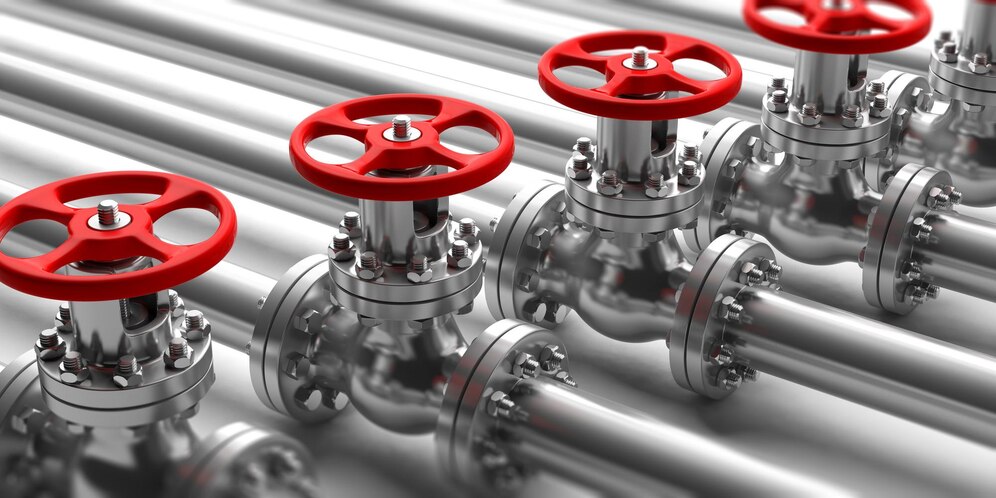

Pipe fittings play a crucial role in the performance, safety and longevity of fluid handling systems. From industrial processing and building services to water treatment and manufacturing environments, selecting the correct fittings is essential to ensure leak free operation and long term reliability. Engineers and specifiers must balance performance requirements with compliance, material compatibility and installation demands when choosing fittings for high performance projects.
Understanding the Role of Pipe Fittings
Pipe fittings are used to connect, redirect, regulate, or terminate sections of pipework. Their quality and specification directly affect system efficiency and resilience. Poorly selected fittings can lead to pressure loss, corrosion, leaks, or premature failure, increasing maintenance costs and downtime.
Common fitting types include:
- Elbows and bends for directional changes
- Tees and crosses for branching systems
- Reducers for connecting different pipe diameters
- Couplings and unions for joining pipe sections
Each fitting must be suited to the operating conditions of the system.
Material Selection and Compatibility
One of the most important considerations is choosing a material compatible with the fluid and environment:
- Stainless steel: Excellent corrosion resistance, ideal for food processing, pharmaceuticals and harsh environments.
- Carbon steel: Suitable for high pressure applications where corrosion risk is managed.
- Plastic fittings (e.g PVC pipe fittings or ABS pipe fittings): Lightweight and corrosion resistant, often used in water treatment and chemical handling.
Material choice should account for chemical exposure, temperature fluctuations and expected service life.
Pressure Ratings and Standards
Pipe fittings must be capable of withstanding system pressure without deformation or leakage. Engineers should always verify:
- Maximum operating pressure
- Temperature limits
- Compliance with relevant UK and European standards
Fittings manufactured to recognised standards such as BS EN provide assurance of performance and safety. In potable water systems, WRAS approval is often essential to meet regulatory requirements.
Connection Methods and Installation
The method used to connect fittings can affect installation speed, system integrity and future maintenance:
- Threaded fittings: Easy to install but require careful sealing to prevent leaks.
- Welded fittings: Offer high strength and durability for permanent installations.
- Compression or push fit fittings: Allow quicker installation and easier system modification.
Selecting the appropriate connection method ensures compatibility with existing pipework and reduces installation challenges.
Long Term Performance and Maintenance
High performance projects demand fittings that can perform reliably over time. Factors to consider include:
- Resistance to corrosion, vibration and thermal expansion
- Ease of inspection and replacement
- Availability of compatible spare parts
Choosing fittings designed for durability reduces the risk of failure and minimises lifecycle costs.
Frequently Asked Questions
Why is material compatibility so important when choosing pipe fittings?
Incompatible materials can corrode, degrade, or react with fluids, leading to leaks and system failure.
Do all pipe fittings need to meet UK standards?
Yes, especially in regulated industries. Compliance ensures safety, reliability and legal conformity.
Are higher rated pipe fittings always better?
Not necessarily. Over specifying can increase costs without added benefit. Fittings should match actual system requirements.
Can pipe fittings affect system flow efficiency?
Yes. Poorly designed or incorrectly sized fittings can increase pressure loss and reduce system performance.
Final Thoughts
Specifying the right pipe fittings is a critical step in delivering high performance engineering projects. By carefully considering material compatibility, pressure ratings, connection methods and long term durability, engineers can create systems that operate efficiently and reliably.
Thoughtful specification not only improves performance but also reduces maintenance demands and extends system lifespan.

