


Understanding the Role of a Fulfilment Center
What a Fulfilment Center Actually Does
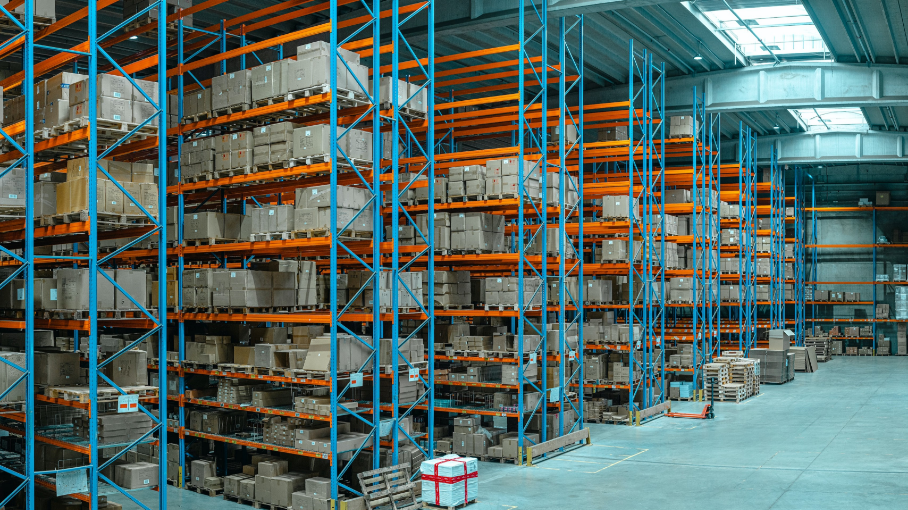
A fulfilment center is a specialized facility that manages the storage, packing, and shipping of products for businesses. Unlike standard warehouses, fulfilment centers are focused on speeding up order processing and meeting customer delivery expectations. Expanding to a fulfilment center allows companies to streamline operations and improve overall efficiency.
Differences Between Warehouses and Fulfilment Centers
While a warehouse is mainly for long-term storage, a fulfilment center actively manages incoming and outgoing orders daily. Fulfilment centers prioritize rapid turnover of inventory to keep pace with customer demands. This distinction is critical when deciding whether your business model fits the structure of a fulfilment center.
Key Signs Your Business Is Ready to Expand
Managing Increasing Order Volumes
As online sales grow, managing a surge in orders becomes increasingly difficult without outside support. A fulfilment center can help handle the higher volume without overwhelming your in-house team. If orders are consistently delayed or backlogged, it is a strong indicator that expansion is necessary.
Struggling with Storage and Logistics
Limited storage space can cause serious delays in shipping and fulfillment processes. A fulfilment center provides flexible storage solutions and ensures inventory remains organized and accessible. When logistics become a bottleneck, partnering with a fulfilment center can remove unnecessary friction.
Needing Faster Delivery Times for Customers
Customer expectations for fast delivery continue to rise across all industries. Working with a fulfilment center places inventory closer to customers, reducing shipping times significantly. Faster delivery often translates to improved customer satisfaction and higher repeat business rates.
Costs and Financial Considerations
Upfront and Ongoing Expenses
Before committing, it is important to calculate both upfront and recurring costs involved in using a fulfilment center. These expenses may include storage fees, pick-and-pack charges, and shipping costs. Budgeting for these consistently will help avoid unexpected financial strain later.
Hidden Fees to Watch Out For
Some fulfilment centers charge additional fees for services like returns processing, labeling, or peak season surcharges. It is crucial to read all service agreements carefully to identify and understand these hidden costs. A clear financial picture will help you choose a fulfilment center that fits your budget and needs.
Choosing the Right Fulfilment Center
Location and Shipping Zones
The geographical location of the fulfilment center plays a critical role in shipping speed and cost efficiency. Ideally, a fulfilment center should be strategically located near your largest customer base. This approach reduces transit times and allows your business to offer faster shipping options competitively.
Technology and Integration Capabilities
Modern fulfilment centers offer advanced software integrations that connect directly with your e-commerce platforms. Having real-time visibility into inventory and order tracking ensures smooth operation across all sales channels. Choosing a fulfilment center with strong technological capabilities enhances operational accuracy and customer satisfaction.
Scalability for Future Growth
As your business expands, your fulfilment center must be able to scale with your needs. Look for facilities that can accommodate seasonal peaks, product line expansions, and growing order volumes. Scalability ensures that the partnership remains sustainable as your business evolves.
Important Questions to Ask Potential Partners
What Is the Average Fulfilment Time?
Understanding the average fulfilment time is essential for managing customer expectations. Ask potential partners about their standard processing times from order receipt to dispatch. Fast and consistent fulfilment times can make a significant difference in customer loyalty.
How Are Returns and Exchanges Handled?
Returns and exchanges are an inevitable part of online retail operations. Clarify how the fulfilment center manages returned items, restocking, and customer notifications. A clear returns process minimizes headaches and keeps customers happy.
What Reporting and Visibility Tools Are Provided?
Access to detailed reports on inventory levels, shipping times, and order status is vital for effective management. Ask if the fulfilment center provides dashboards or automated reporting tools. Accurate data helps you make informed decisions quickly.
Potential Challenges and How to Prepare
Transitioning Without Disrupting Operations
Shifting operations to a fulfilment center must be carefully planned to avoid disruption. Gradual transitions, clear communication, and detailed timelines are critical. Preparation ensures that customer service levels remain high during the shift.
Maintaining Quality and Brand Consistency
Even when outsourcing logistics, maintaining brand standards is non-negotiable. Partnering with a fulfilment center that understands and aligns with your brand presentation is important. Regular quality checks help ensure that the customer experience remains consistent.
Building a Strong Communication Process
Clear and constant communication with your fulfilment center is key to avoiding misunderstandings and operational delays. Establishing regular check-ins and updates ensures both sides remain aligned. A strong communication channel builds a healthier and more productive partnership.
Key Takeaways
Expanding to a fulfilment center offers businesses the ability to streamline logistics, meet higher customer expectations, and prepare for future growth. Choosing the right fulfilment center involves evaluating costs, location, technology, and scalability carefully. With proper preparation and strong communication, transitioning to a fulfilment center can become a major step toward scaling successfully and sustainably.

