

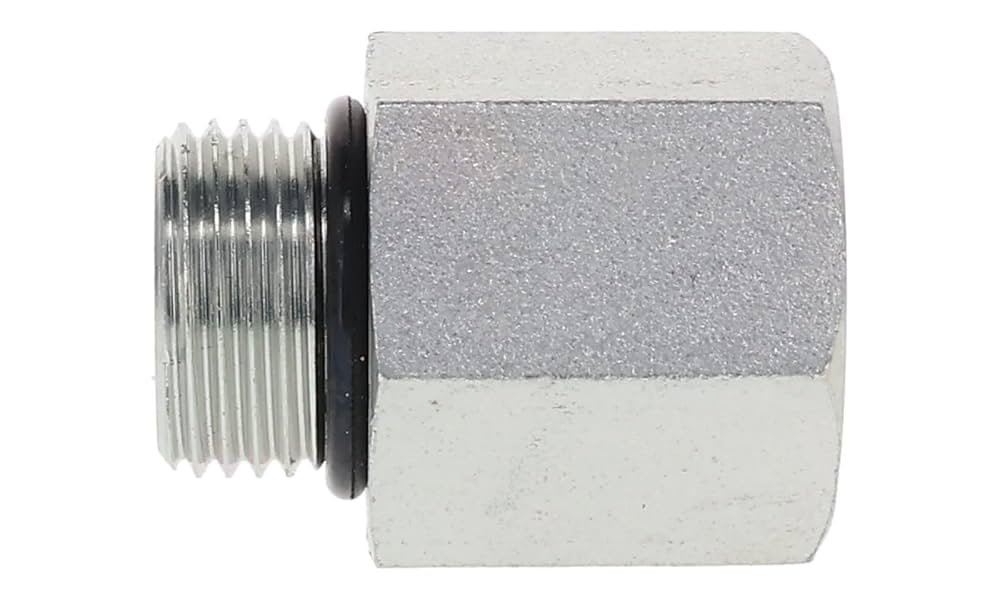

Hydraulic adaptersmust be tightened with the exact force amounts to work correctly in pressure systems. Loose connections leak. A tightened fitting can damage threads, crush seals, or crack. The torque number is determined by thread size, material, and pressure rating. These specifications create leak-free joints while keeping components in good condition for years of service.
Thread engagement mechanics
Threaded joints hold together through interference between the male and female thread shapes. Torque creates a clamping force that resists internal pressure pushing components apart. How rotation converts to axial load depends on thread pitch, surface friction, and what metals are involved. Tapered threads, such as NPT, get tighter as the male part wedges deeper into the female part. Each turn increases interference until you reach the target torque. That wedging creates the seal in tapered designs. Parallel threads like BSPP work differently because they use separate sealing elements. These need exact torque to squeeze O-rings or bonded seals without pushing them out of position. The threads provide mechanical attachment while the compressed seal stops fluid from escaping.
Seal compression requirements
Rubber and elastomer seals must get squeezed just right to do their job. To seal, O-rings must be compressed enough to fill gaps between parts. Seal grooves come with exact measurements designed for specific compression amounts. Correct torque hits these compression goals:
- Face seals need even pressure all the way around the O-ring
- Bonded seals require enough force to push the elastomer into tiny surface imperfections
- Metal seals in extreme pressure applications demand tremendous compression to work
- Thread sealant pastes need adequate pressure to fill microscopic spiral gaps in tapered threads
Too little squeeze leaves paths for fluid to get through. The seal sits in its groove without actually filling the space properly. Too much squeezing smashes the material beyond what it can recover from. The rubber takes a permanent shape change and loses springiness. Pressure goes up and down, then pumps fluid past the damaged seal.
Pressure containment needs
How much pressure the system runs determines the minimum clamp force needed. Higher pressures push harder, trying to blow connections apart. The torque number has to create enough preload to fight this separating force, including some safety cushion. Pressure spikes happen when valves slam shut or pumps kick on. These surges momentarily hit several times the normal running pressure. Joints tightened to the bare minimum might pop open briefly during spikes and let fluid out. Published specs include safety factors covering these dynamic situations. Thread pitch changes how pressure acts on the joint. Fine threads give more clamp per turn than coarse threads. They also spread stress across more engaged threads. The torque value accounts for these shape differences to get equivalent sealing across different thread sizes.
Torque measurement accuracy
Getting to the specified torque demands requires calibrated tools and correct methods. Click wrenches snap when reaching the preset amount. Beam wrenches display applied torque on a gauge. Digital adapters show numbers on a screen. Each tool type has precision limitations affecting final outcomes. Where you position the wrench relative to the fitting changes the actual delivered torque. Pushing sideways or at angles alters the lever arm and gives wrong values. The thread condition impacts how torque becomes clamping force. Messed-up or grimy threads eat energy through friction instead of making useful preload. Hand-starting threads before using tools guarantees alignment and stops cross-threading.

